MANUFACTURING & INDUSTRIALIZATION

Driving Northern Nigeria’s transformation into a diversified, competitive, export-oriented economy.
bt_bb_section_bottom_section_coverage_image
engineering fabrication
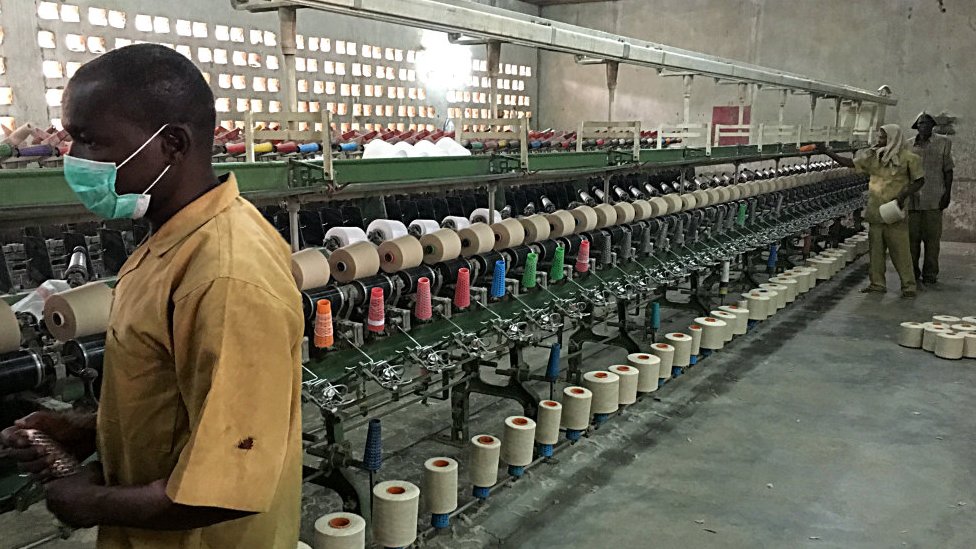
textiles & garments
light manufacturing
automotive assembly
building materials
petrochemicals
https://atipc.com.ng/wp-content/uploads/2026/02/88730812_kano-pixone.jpg

Sector OverviewMANUFACTURING & INDUSTRIALIZATION

Manufacturing is central to the Arewa region’s economic transformation agenda.
The region possesses unique competitive advantages:
- strategic geographic location,
- fast-growing urban markets,
- abundant raw materials,
- affordable labour,
- improving transport corridors,
- growing power alternatives (solar, mini-grids),
bt_bb_section_top_section_coverage_image

Why Invest in Manufacturing in Northern Nigeria?

Northern Nigeria has the potential to become West Africa’s manufacturing hub for:
agro-processing , pharmaceuticals and more..

Massive Domestic Market

Nigeria has the largest consumer market in Africa — over 220 million people — with the Arewa region contributing a significant share.

Abundant Raw Materials Across All Value Chains

Agricultural raw materials, Industrial minerals, Livestock resources ,Petrochemical inputs

Affordable Labour

Labour costs in the north are 30–50% lower than in many emerging markets.

Strategic Trade Access

The region borders multiple African countries: Niger Chad Cameroon

Emerging Industrial Corridors

States are allocating land for industrial parks, special economic zones and SME industrial clusters.

Security Improvements & Growth of Local Industry

Industrial clusters reduce vulnerability and create safer economic ecosystems.

Competitive Advantages

Competitive Advantages of the Arewa Region for MANUFACTURING & INDUSTRIALIZATION
Strategic Location in West Africa
Strong Private Sector Base
Abundant Energy Options
Industrial Land Availability
Investment Opportunities
https://atipc.com.ng/wp-content/uploads/2020/08/floating_image_08.png

Northern Nigeria has the potential to become West Africa’s manufacturing hub for:

agro-processing
pharmaceuticals
textiles & garments
leather & footwear
building materials
petrochemicals
plastics
engineering fabrication
packaging
automotive assembly
light manufacturing
bt_bb_section_top_section_coverage_image
bt_bb_section_bottom_section_coverage_image

Manufacturing Subsectors